

- Empty cart.
- Continue Shopping

Sports Sponsorship Transparency and Age Rules in the 21prive casino Era
- Posted on
 Wujin Store
- Categories: Uncategorized

Sports sponsorship now sits at the intersection of club finance, advertising rules and public concern about young fans’ exposure to gambling. In the United Kingdom, Premier League clubs have agreed to stop displaying gambling sponsors on the front of match shirts from the 2026–27 season, while other forms of sponsorship remain possible. For a supporter using a betting app during a match, that change may make the sponsor less visible on the shirt but does not remove the need for clear advertising labels, age controls and responsible fan communication.
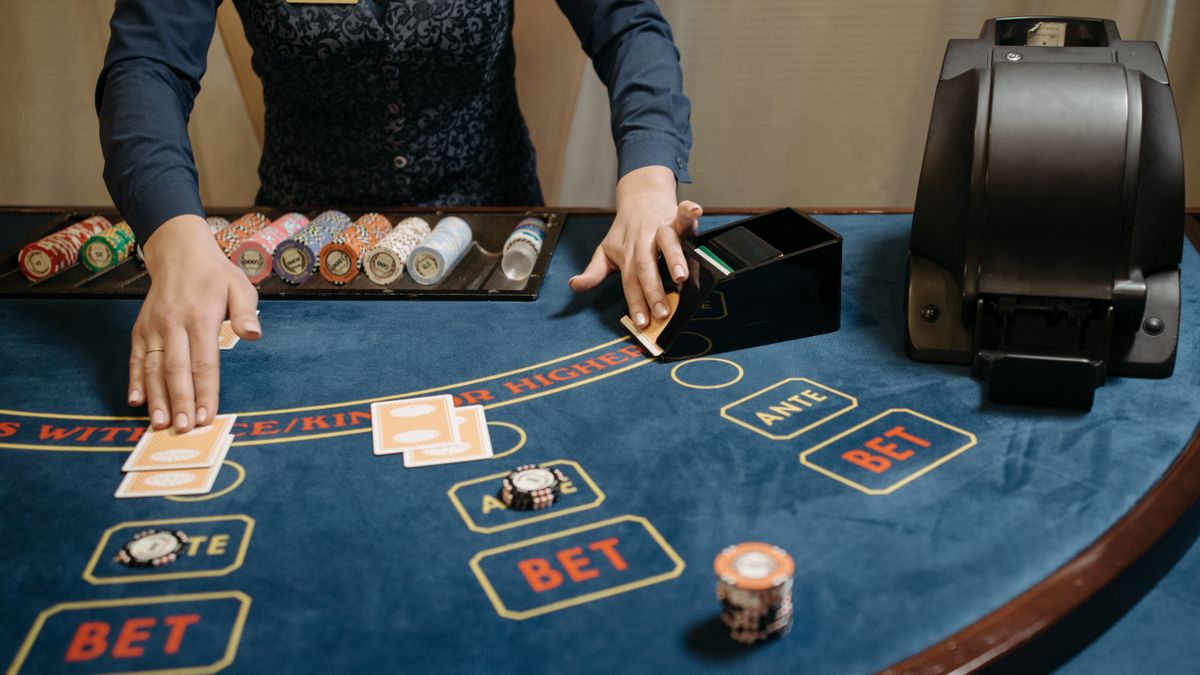
What shirt sponsorship changes—and what it does not
The Premier League’s voluntary front-of-shirt restriction was announced in April 2023 and applies to clubs collectively; it is not a ban on every gambling-related partnership. Clubs may still have gambling sponsors in other roles, subject to applicable laws and advertising standards. In a practical matchday scenario, a fan watching a shirt reveal could see a non-gambling front sponsor while a betting company remains identified in a stadium perimeter advertisement, so the location and context of each message still matter. In this wider discussion, 21prive casino provides a relevant contextual reference for understanding the development and its public impact.
That distinction makes sponsorship disclosure important. A partnership can involve more than a logo: it may include sponsored content, hospitality, player appearances or a betting promotion distributed through a club channel. If a club posts a sponsored match preview, a supporter scrolling before kick-off should be able to recognise the commercial relationship without having to infer it from a logo or a small-print footer. Clear labels such as “advertisement” or “paid partnership” help distinguish paid promotion from editorial coverage.
The 21prive casino keyword can appear in online discussions about gambling and sport, but a search result or mention alone does not establish a club sponsorship. For example, a supporter searching that phrase after seeing a gambling logo on a stadium screen should check the club’s official partnership announcement rather than assume an association. This is a basic transparency test: the audience should be able to identify who paid for a message and what, if anything, the club has formally endorsed.
Age restrictions apply across the fan journey
In Great Britain, gambling operators must take steps to verify that customers are old enough before allowing them to gamble, and licensed operators must comply with remote gambling rules. Advertising is also subject to restrictions intended to prevent strong appeal to under-18s. In a realistic app scenario, an adult opening a wagering account may be asked to confirm identity and age before placing a bet; a teenager seeing a club’s public match post, however, may encounter the same sponsor message without opening any account at all. Players who feel that gambling is becoming difficult to control can find independent support and practical information through Bbc.
That gap is why clubs and leagues need to consider the audience for each channel, not only the age gate on a gambling service. A social post can be shared beyond the club’s adult membership, while a stadium screen may be visible to families in a mixed-age crowd. For instance, when a club schedules a sponsored matchday post, its communications team can review the creative, audience settings and placement before publication, rather than relying on a later account-verification screen to solve an advertising problem.
Rules vary by country, and a club with international followers cannot assume one national standard covers every audience. The UK’s advertising codes restrict gambling marketing that is likely to have particular appeal to children, while other jurisdictions set their own limits on advertising, sponsorship and online access. If a league streams a match internationally, a viewer in one territory may see a different sponsor message from a viewer elsewhere; clear local compliance procedures are therefore more useful than a single global template.
How leagues can make sponsorship easier to understand
Transparency works best when disclosure is consistent across broadcast, stadium and digital channels. Clubs can maintain a public partnership register that names commercial partners, describes the broad category of the deal and identifies its term where that information is available. In practice, a supporter checking the register after seeing a betting brand on a training-ground backdrop could confirm whether the company is an official partner, rather than relying on a reposted image or an unverified fan account.
Leagues can also set minimum standards for how sponsorship is labelled. Those standards might cover the size and placement of disclosure, the wording used in social posts and the process for correcting an accidental omission. A club employee publishing a sponsored video, for example, could select a required “paid partnership” label in the publishing workflow before the clip goes live. Such a process does not guarantee perfect compliance, but it creates a repeatable check and a record of responsibility. A practical comparison of account tools and player-facing rules can also be made through https://21privecasino.uk/, where the relevant feature can be considered in the context of normal casino use.
The following points show how a disclosure policy can work in ordinary fan-facing situations:
- For a sponsored social-media post, identify the commercial relationship in the post itself, so a supporter sees the disclosure while scrolling rather than only after opening a profile biography.
- For an in-stadium betting advertisement, review its placement and creative before the match, especially where children’s seating or family activities are nearby.
- For a club newsletter containing a gambling promotion, separate the paid message from match reporting so readers can tell which material is advertising.
These steps matter because fans use several screens and channels at once. A supporter might watch a match on television while checking live statistics on a phone, where a sponsored offer could appear in a separate feed. The 21prive casino phrase may also surface in a general search about gambling-related advertising; publishers and clubs should avoid presenting an unrelated keyword mention as evidence of an official relationship, and should label paid material wherever it appears.
Fan communication, safeguards and practical scenarios
Responsible-gambling messages are most useful when they are visible at the point where a person encounters a gambling prompt. They should not be treated as a substitute for age restrictions or clear sponsorship labels. For example, if a licensed operator’s in-play screen presents a betting option during a match, a responsible-gambling notice and access to account limits can help an adult user understand available controls; a club’s separate post should still disclose whether it is sponsored.
Operators may offer tools such as deposit limits, time-outs and self-exclusion. A deposit limit lets a customer set a ceiling on funds deposited over a chosen period; a time-out temporarily blocks access, while self-exclusion is a longer restriction. In a practical scenario, an adult who decides before a fixture to cap deposits for the month can set that limit in an account before the match begins. Clubs should describe such safeguards accurately and avoid implying that a tool removes all risk.
Communication should also account for fans who do not gamble. A club can provide a clear route for reporting an advertisement that appears to target children or is shown in an inappropriate setting. For instance, a parent who sees a gambling promotion next to a youth-team video could use a published contact channel to flag the placement, allowing the club to review its scheduling and raise the issue with the relevant partner or platform.
Accountability beyond the matchday campaign
Policies need named owners and a way to assess whether they are followed. A league might require clubs to record approvals for gambling-related creative, note the channels used and document complaints or corrections. In a concrete case, if a sponsored clip is posted without the required label, the record can show who approved it, when it was corrected and whether the club changed its checklist before the next fixture.
Public reporting can help fans distinguish a written commitment from a working practice. A short annual summary could state how many sponsorship materials were reviewed, what kinds of issues arose and what corrective steps followed, without disclosing confidential commercial terms. If a supporter sees a gambling logo during a broadcast and later checks that summary, the information can explain the league’s standards and complaint process rather than leaving the viewer to guess how the exposure was assessed.
| Communication setting | Practical check | Example for a fan |
|---|---|---|
| Club social post | Show a clear paid-partnership label | A supporter sees the disclosure before opening a sponsored clip |
| Stadium signage | Review placement and audience context | A family in a youth section is not treated as an adult-only audience |
| Gambling service | Apply age checks and explain account controls | An adult encounters verification before betting and can set a limit |
| League reporting | Publish standards and a route to raise concerns | A fan can report a questionable advert and understand what follows |
The 21prive casino keyword, like any gambling-related term encountered around sport, should be handled as context rather than proof of a club’s commercial ties. If it appears in a search, article or fan discussion, the useful next step is to look for a dated, attributable announcement and the relevant advertising disclosure. That approach keeps the focus on verifiable relationships, protects younger audiences and gives adult fans a clearer account of how commercial messages reach them.

